

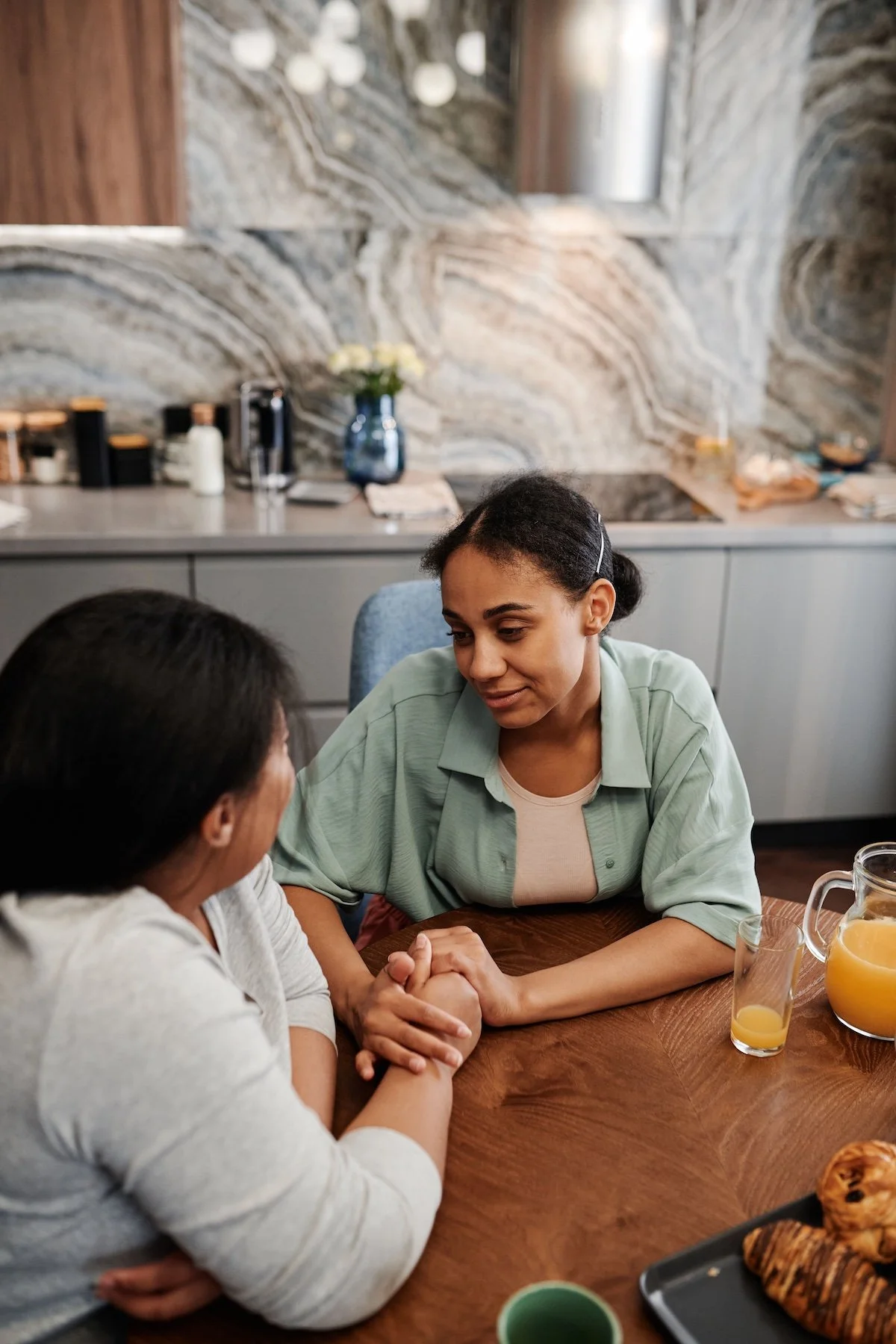
Cancer & Chronic Illness Therapy for Women
One of the most impactful times of my life was when I was a Program Manager at Gilda's Club Middle Tennessee. It was there that I began working with those living with cancer, as well as those loving friends and family with cancer. It was also during that time that I myself was diagnosed with cancer.
I went from counseling those through scanxiety to sitting in the waiting room waiting to be scanned, all while trying to figure out how to keep living a life that had just been interrupted.
That experience and gained perspective is why I continue to work with people living with cancer, chronic pain, or chronic illness. Whether you're the one living through it, or loving someone through it, I am honored to be here to help.

Living with Cancer and Chronic Illness
A diagnosis doesn't just change your medical chart, it changes the life you thought you were going to have. And that loss is real, whether or not anyone around you names it that way.
That time of life, when you’re experiencing a major life event differently than the people around you, can make you feel out of step with your loved ones and peers. While your friends are planning weddings or promotions and you're managing appointments and side effects, that mismatch is disorienting in a way that's hard to explain to people who haven't lived it.
Then add in navigating the medical system, advocating for yourself, tracking symptoms, managing appointments, and making decisions under uncertainty. It is exhausting work, even before you factor in what it's like to grieve the future you had been picturing.
None of that means something is wrong with how you're coping. It means you're carrying something genuinely heavy. And I’m here to help!
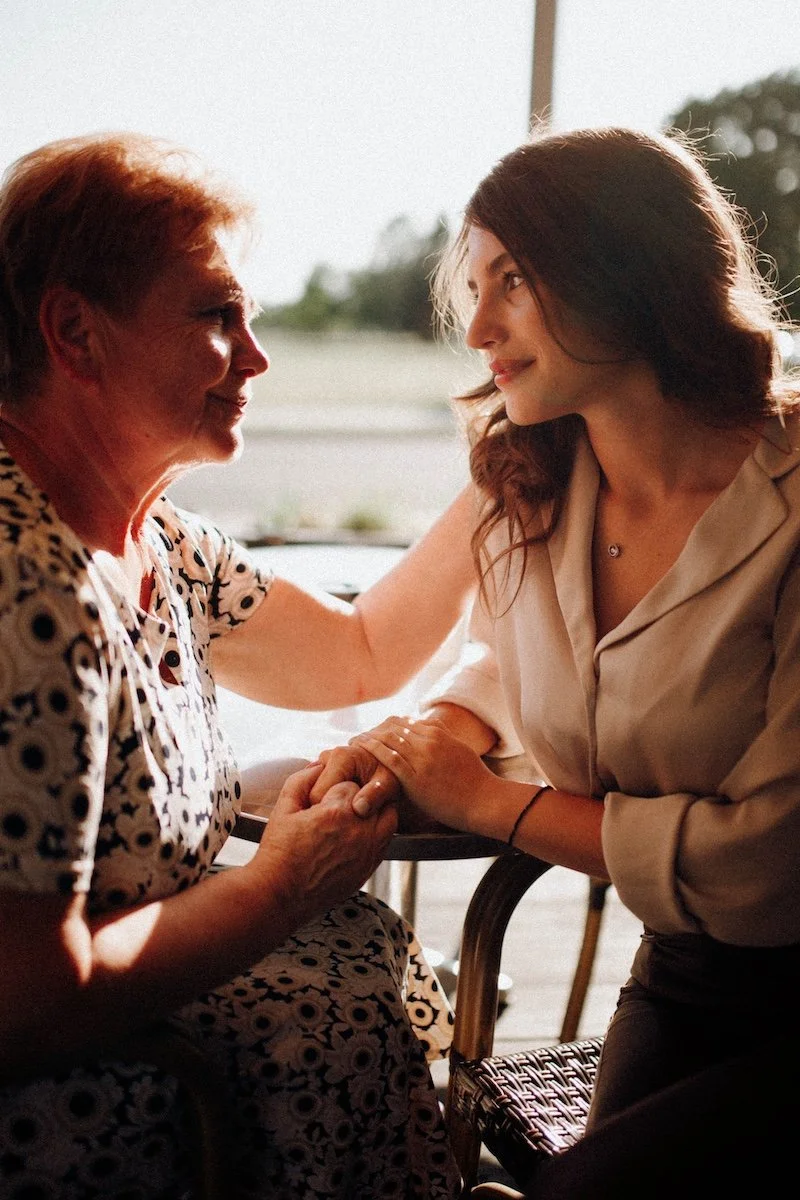
Caring for Someone with Cancer or Chronic Illness
If you're reading this because someone you love is living with cancer, a chronic illness, or chronic pain, I am here for you too. Caregiving is its own kind of hard, and it rarely gets the same recognition as the diagnosis itself.
Whether you're caring for a parent who was just diagnosed, a partner managing a chronic condition, or a child with ongoing medical needs, you're often holding two things at once: your own life and someone else's care. That heaviness and guilt you feel isn’t imaginary, it’s caregiver strain.
Caregiver strain is a well-documented, non-pathological response to sustained caregiving demands, not a sign you're not handling things well enough.
The hardest question caregivers ask me isn't "how do I help them." It's "how do I take care of myself and them at the same time." And taking care of yourself is just as important!

How I Help Women Experiencing Illness
My approach doesn't ask you to separate the practical from the emotional. Medical decisions, identity shifts, grief, and daily logistics are often tangled together. Our virtual therapy session is a place to work with all of it, not just the parts that feel "allowed."
This may look like:
Making room for grief about the life you expected, alongside whatever is happening medically right now
Naming the specific isolation of being off-time from your peers, without minimizing it
Supporting caregivers in identifying their own needs as legitimate, not secondary to the person they're caring for
Client-centered, strengths-based tools drawn from CBT and mindfulness, adapted to fit medical uncertainty rather than ignoring it
A pace that respects that this may be an ongoing, non-linear chapter, not a problem to resolve on a schedule
If you’re in Delaware or Tennessee, and navigating chronic illness, reach out.

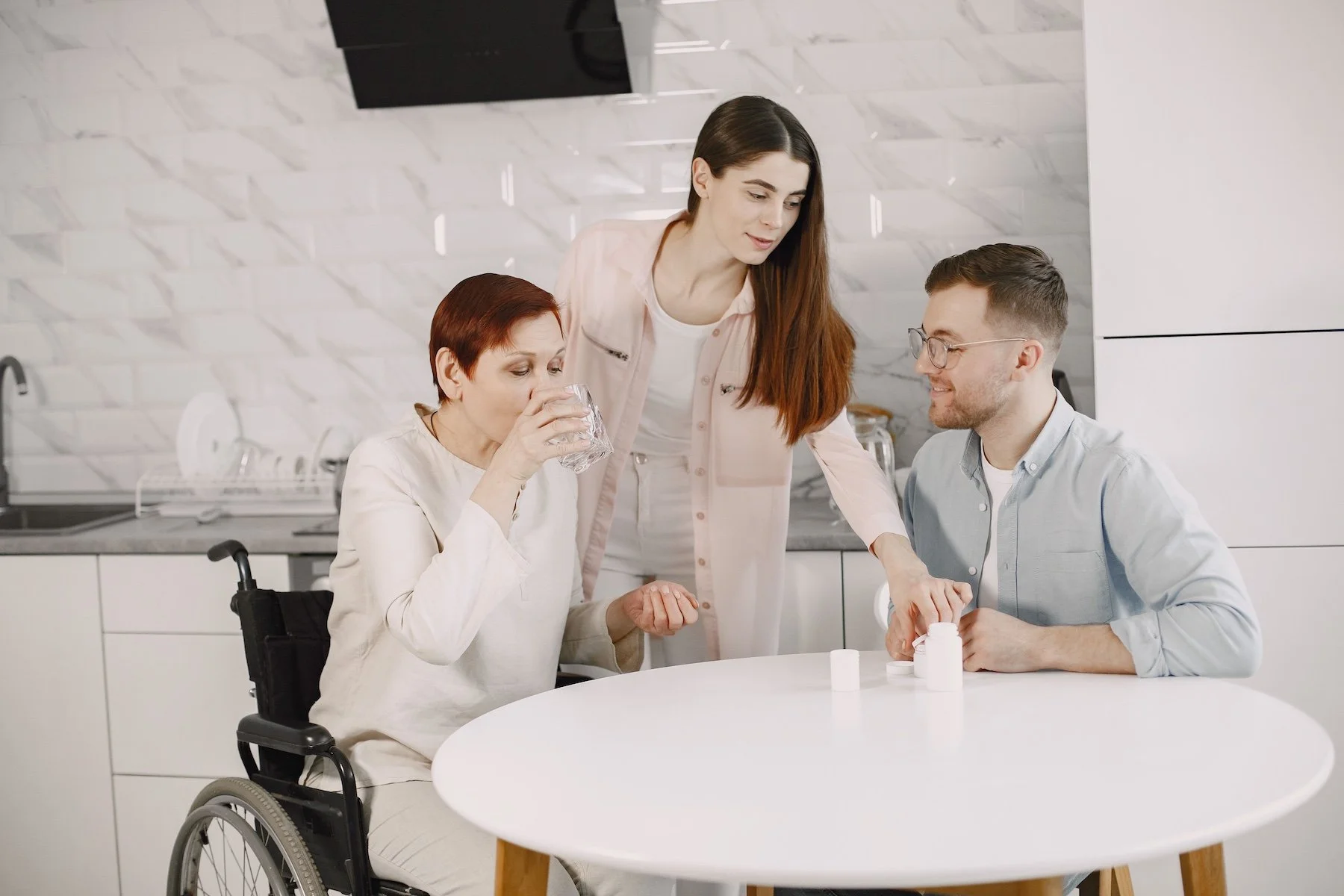
Cancer & Illness Therapy FAQS
-
Yes. Therapy can support the emotional weight of a diagnosis, including grief, identity shifts, and the exhaustion of navigating ongoing medical care, alongside whatever treatment you're receiving medically. Having someone outside your family and circumstance as a support system can also serve as a healthy outlet for you and those around you.
-
It refers to the disorientation of experiencing major life events, like illness, on a different timeline than the people around your age. This is sometimes called off-time loss, and it's a common experience for young adult patients and survivors.
-
Caregiving involves ongoing physical, emotional, and logistical demands, often referred to as caregiver strain. It's a well-recognized experience, not a sign of inadequacy.
It is important to recognize your own needs, without guilt. Online therapy can help you navigate those feelings, learn healthy coping strategies, and help you establish boundaries and routines that support this trying time in your life. -
This can't be answered with a single tip. It requires ongoing support to identify your own needs as valid, set sustainable boundaries, and process the parts of caregiving that are hard to say out loud.
By working with a licensed counselor, you can pinpoint the areas of your life that can be adapted to give you more time and peace, with helpful strategies, mental reframes, and resources for support.
-
Virtual therapy is often more accessible for this exact situation, since it removes travel time and fits more easily around appointments, treatment schedules, or unpredictable caregiving demands.
-
Yes, this is a very common feeling among caregivers. It doesn't mean your needs aren't valid. It often means you haven't yet had space to consider them as separate from the person you're caring for.
Related Reading:
For young adult cancer patients and survivors specifically, Stupid Cancer offers community and resources built for this exact age group. For caregivers, Family Caregiver Alliance offers practical, caregiver-specific support.

You Don't Have to Carry It Alone
Whether you're the one navigating a diagnosis or the one loving someone through it, this is heavy work, and it's not a solo assignment. I've sat on both sides of this, and I'd be glad to sit with you in it too. Let’s figure out what support looks like for you.